Preparatory Course for Vocational School
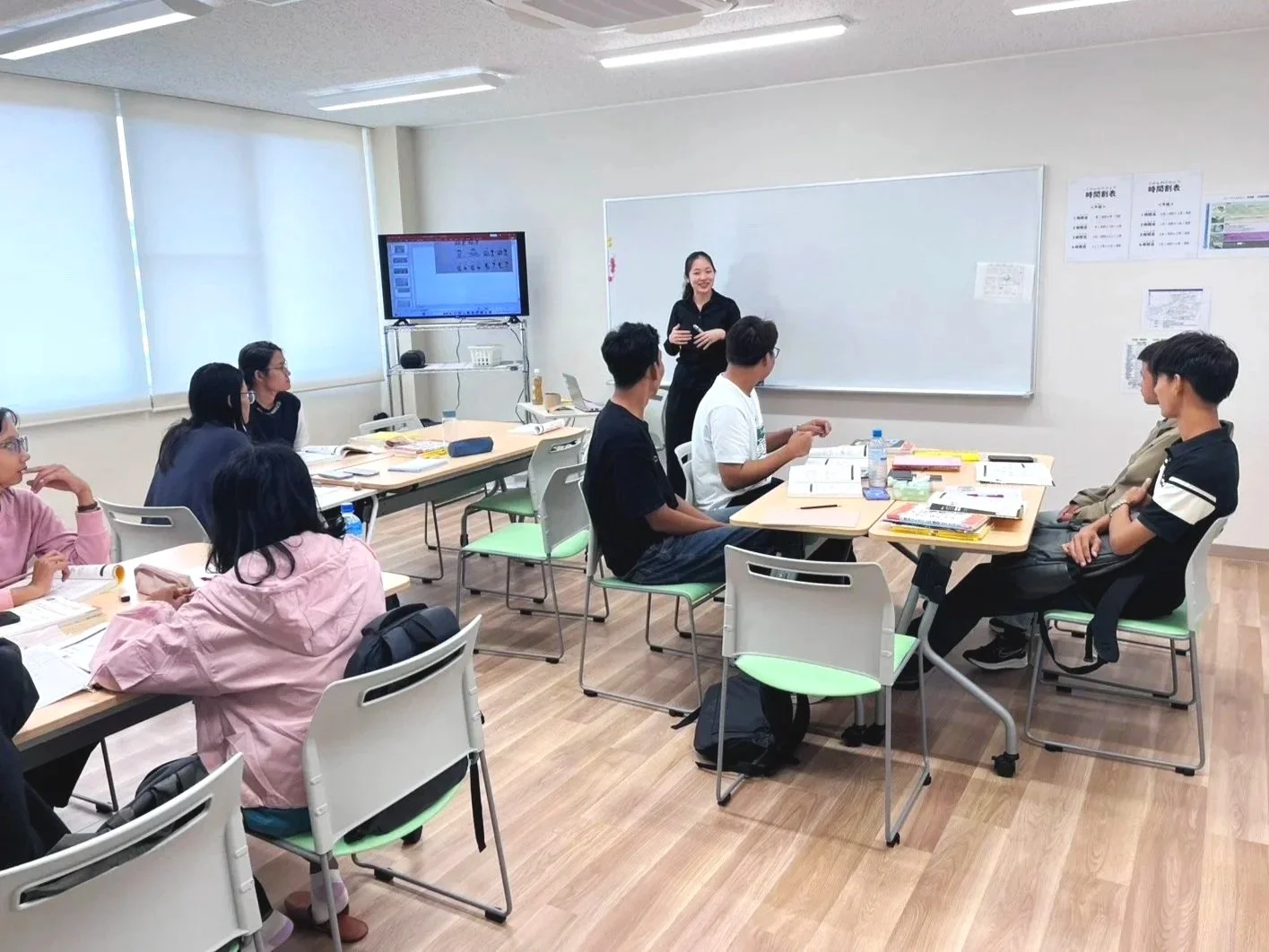
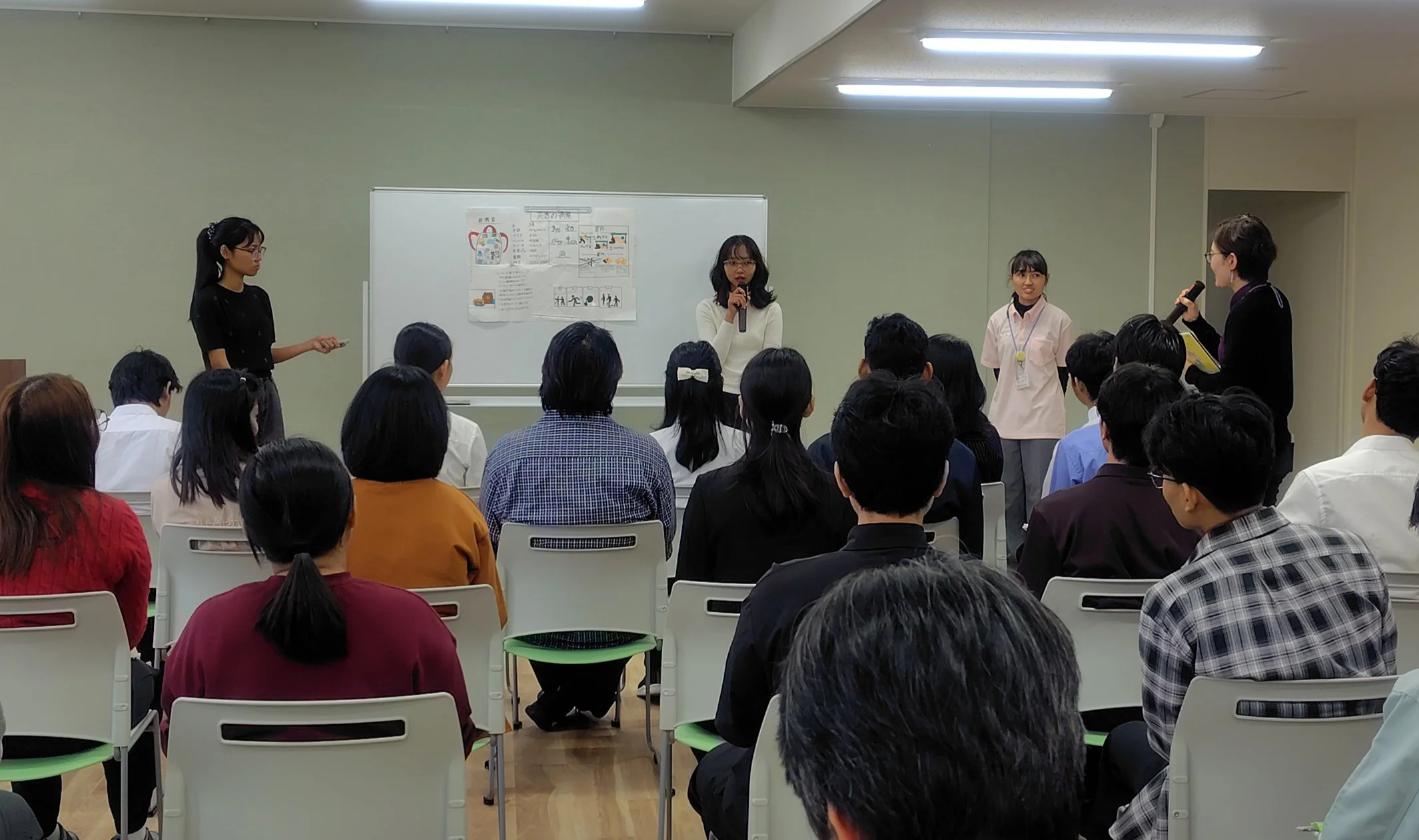
In addition to improving the five basic skills of reading, writing, listening, speaking, and speaking (presentation) in order to improve each learner's Japanese language proficiency, we also actively incorporate group work and active learning. And through collaborative activities, students will acquire the ability to accomplish goals as a group.
We aim to develop capable people who can raise problems and propose their own solutions in various fields through entering vocational schools.
April Intake:
2 Years Course
October Intake:
1 Year and 6 Months Course
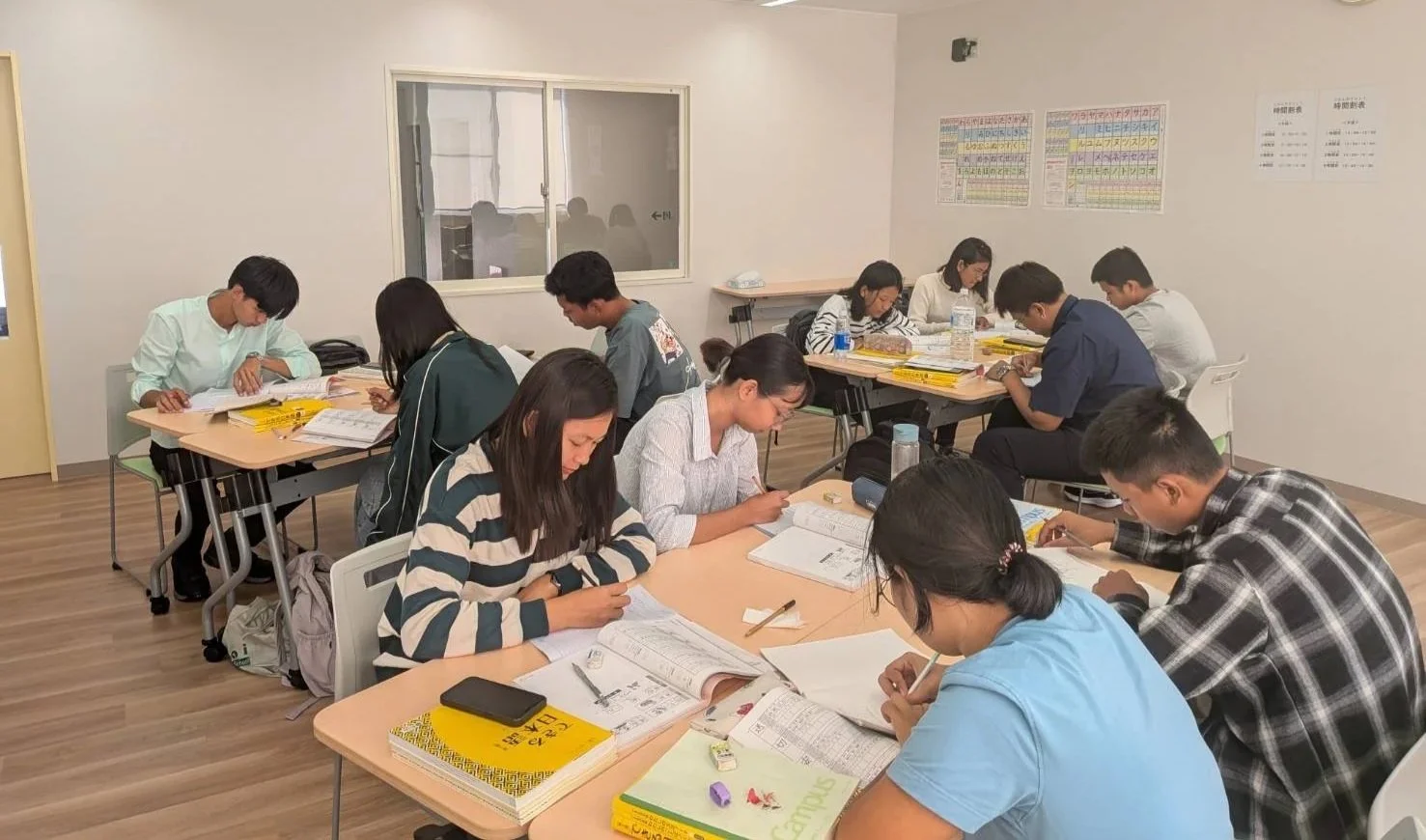
LEVELS
Beginner I: A1-A2
Pre-Intermediate: A2-B1
Intermediate I / Intermediate II: B1-B2
CLASS HOURS
8:30 - 12:00 or 13:00 - 16:30
(50 minutes x 4 classes)
Monday to Friday
Class Subjects
This subject aims to develop a comprehensive and balanced set of skills through all activities of listening , reading , speaking , and writing , fostering the ability to apply these skills in real-life situations.
Total Learning Units:
2 Years Course: 680 Hours
1 Year & 6 Months Course: 480 Hours
Communication in Japanese
This course helps students develop the ability to clearly and logically express their thoughts in writing about social issues or topics of personal interest, using specific information and examples.
Total Learning Units:
2 Years Course: 140 Hours
1 Year & 6 Months Course: 120 Hours
Composition Writing
In this subject, students understand the origins and characteristics of kanji characters, develop the ability to write , read, and understand their meanings and apply the kanji they have learned to real-life situations and learning environments.
Total Learning Units:
2 Years Course: 320 Hours
1 Year & 6 Months Course: 240 Hours
Writing & Reading
This course allows students to actually use the Japanese they have learned in all subjects within the local community of Saiki City, and to develop the ability to use Japanese in a social context through interaction with local people and organizations.
Total Learning Units:
2 Years Course: 320 Hours
1 Year & 6 Months Course: 240 Hours
Real World Japanese Practice
This subject helps students develop the ability to extract necessary information and content from various texts, understand the context and flow of the writing, and read according to their purpose.
Total Learning Units:
2 Years Course: 140 Hours
1 Year & 6 Months Course: 120 Hours
Reading Comprehension
Learning Levels
A1-A2
• Able to write very basic personal information such as one’s name, country, address, age, date of birth, date, time, etc. on documents.
• Able to understand & use very basic phrases on familiar topics such as oneself & one’s family and topics directly related to one’s life.
• Able to have a simple exchange about familiar topics if the other person speaks carefully and slowly and offers help.
• Able to use simple expressions and vocabulary to talk about very familiar topics while keeping the listener in mind.
• Able to understand short, simple texts, picking out familiar names, numbers, basic expressions, etc. one by one, and rereading to understand those texts.
A2-B1
• Able to understand the sounds and meanings of basic kanji components and combine them to form kanji.
• Able to understand explanations related to familiar topics if the speech is clear and slow.
• Able to understand short, simple texts about specific things written in words related to familiar topics.
• Able to have a relatively smooth conversation about familiar everyday matters if the other person assists when necessary.
• Able to express one’s feelings and gratitude in simple words.
B1-B2
• Able to understand the meaning and sound of kanji components, combine them to form kanji, and infer its meaning and pronunciation.
• Able to understand the main points of familiar and interesting topics that are spoken clearly in standard language.
• Able to read important parts of information on apps, SNS, and websites about familiar situations and topics.
• Even when topics are social issues or somewhat academic topics, be able to actively participate in discussions, express one’s own opinions & viewpoints, listen to the opinions of others, and deepen the topic further.
• Able to summarize information gathered through reading & listening to a variety of social topics, and write detailed, clear texts that are easily understood by a third party.
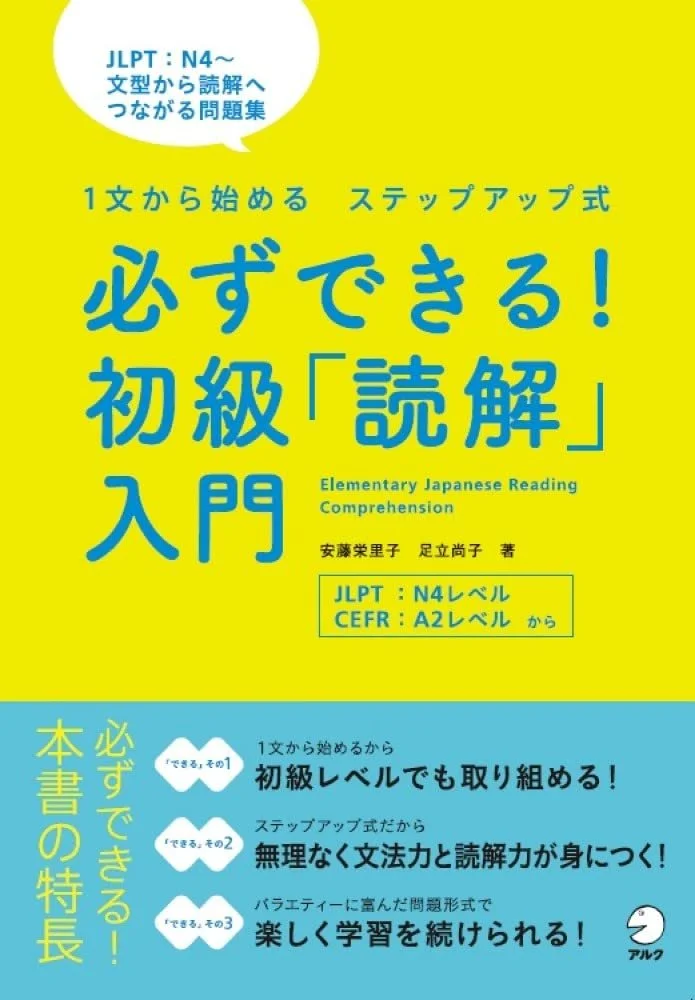
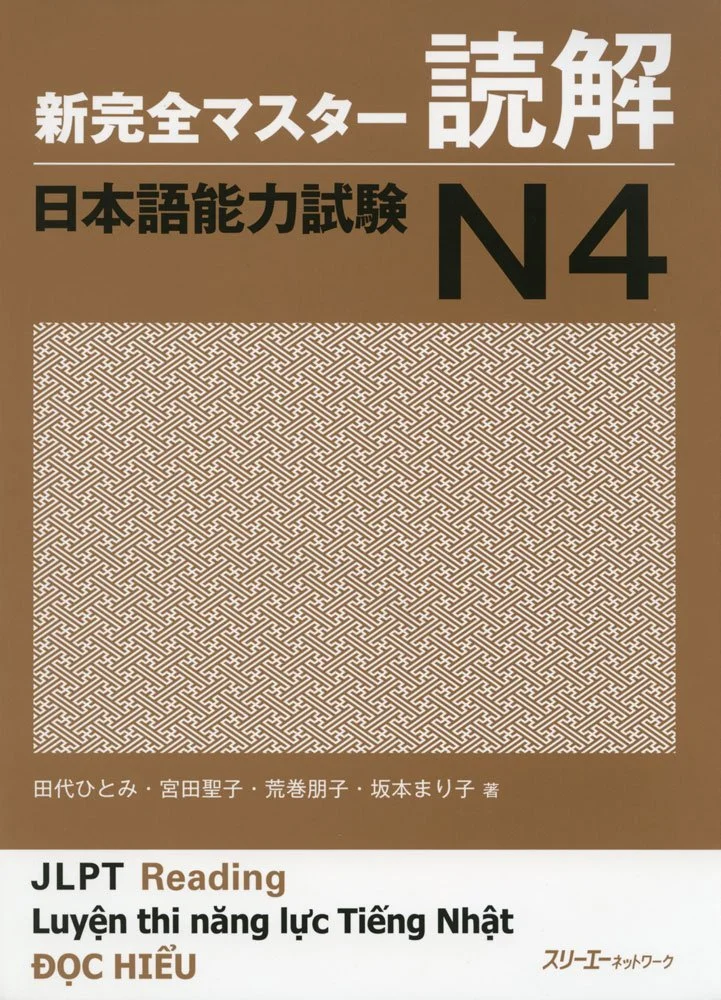
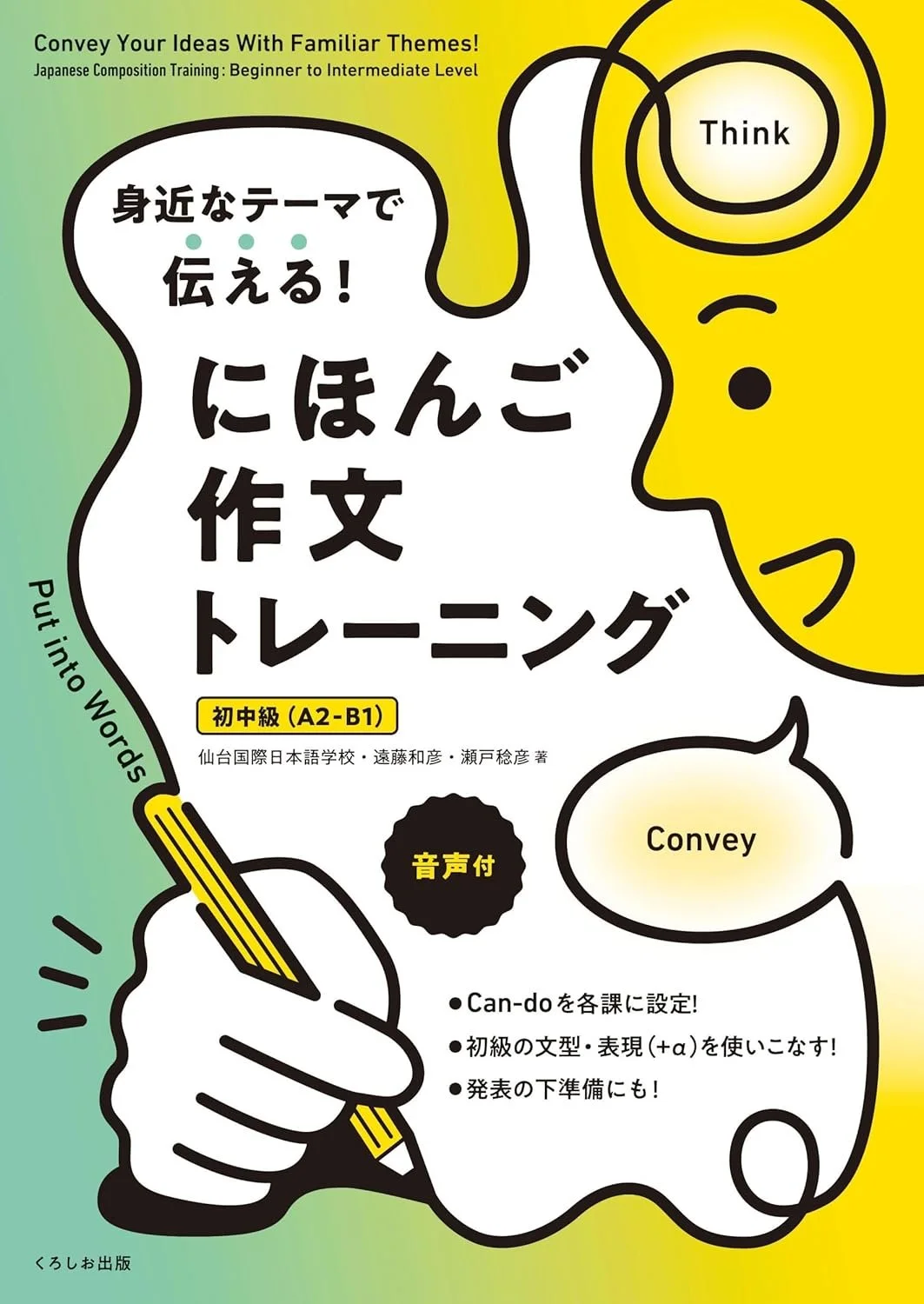
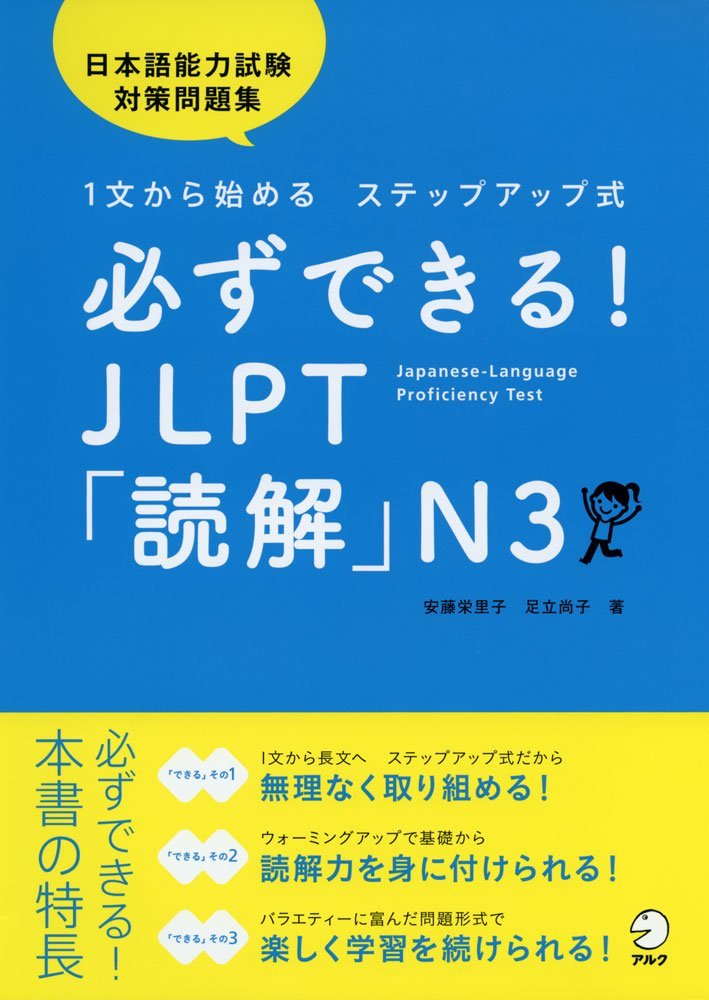
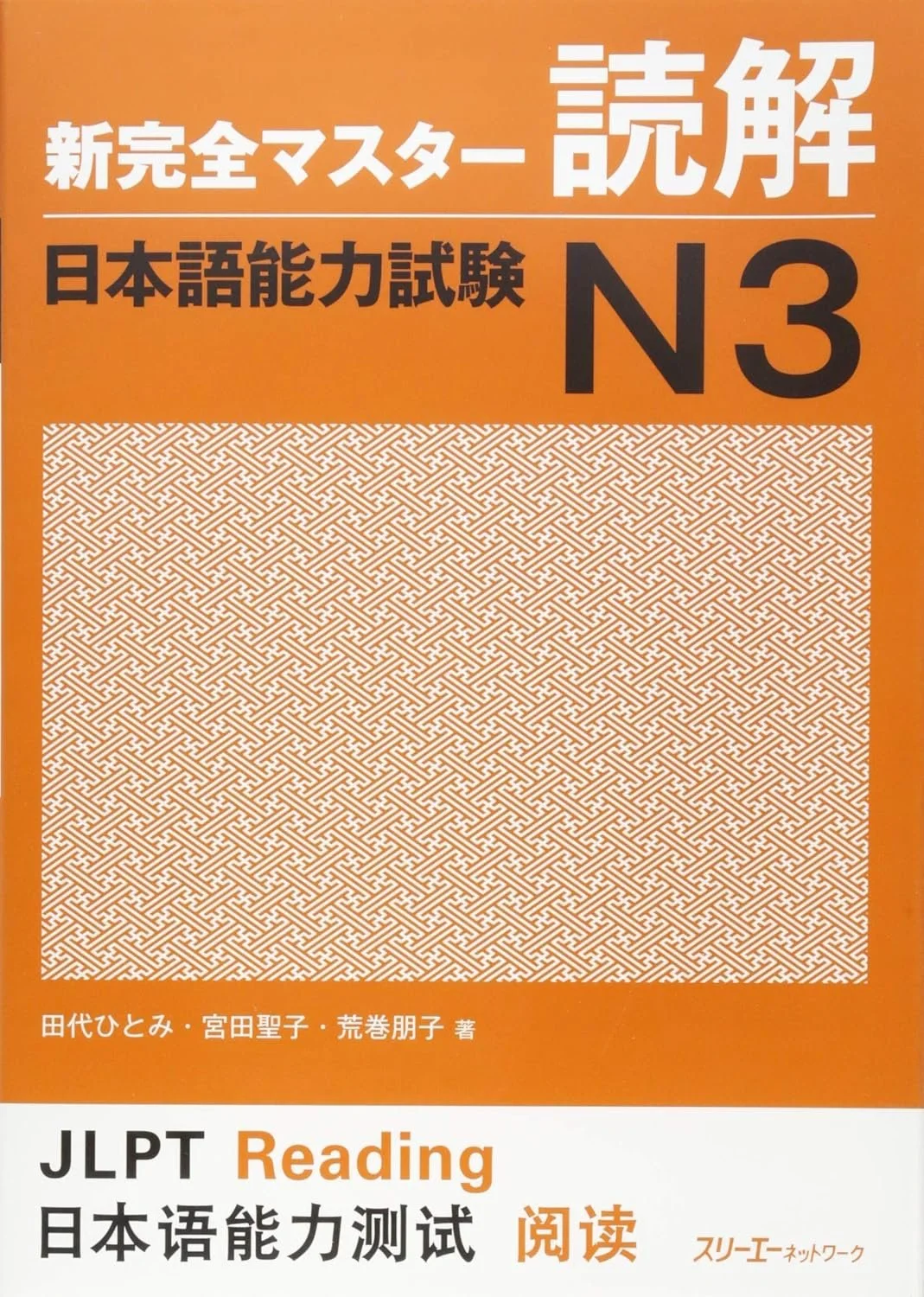
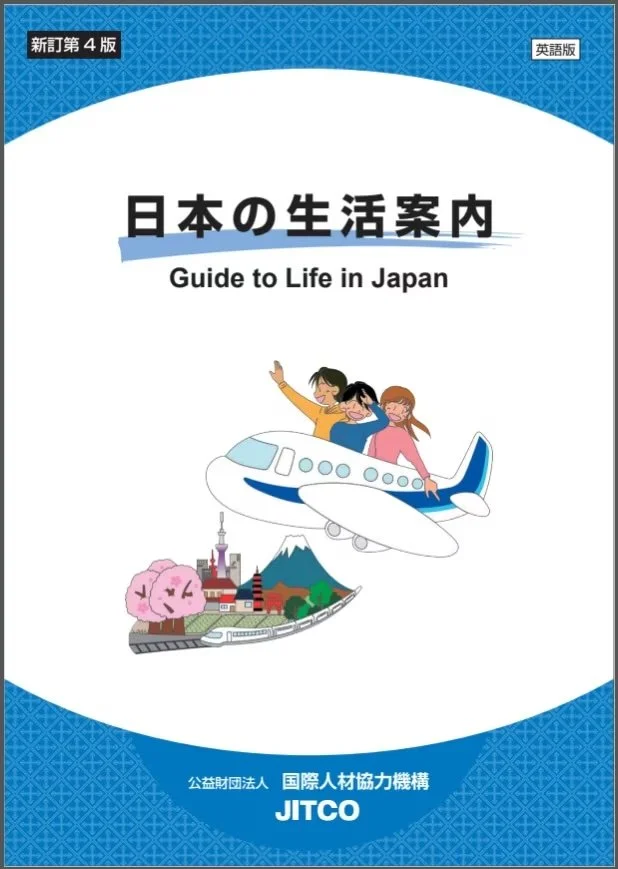
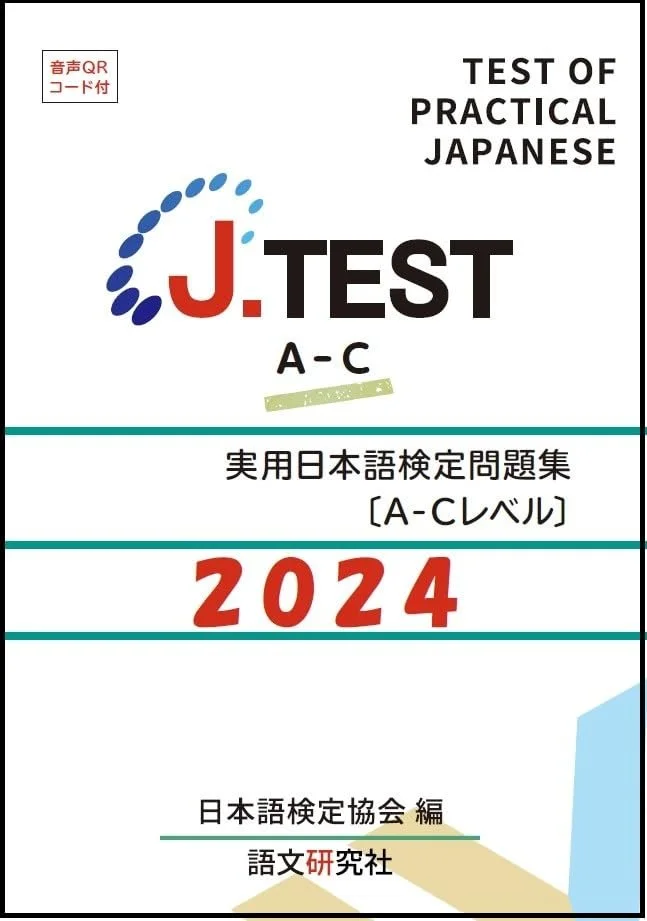
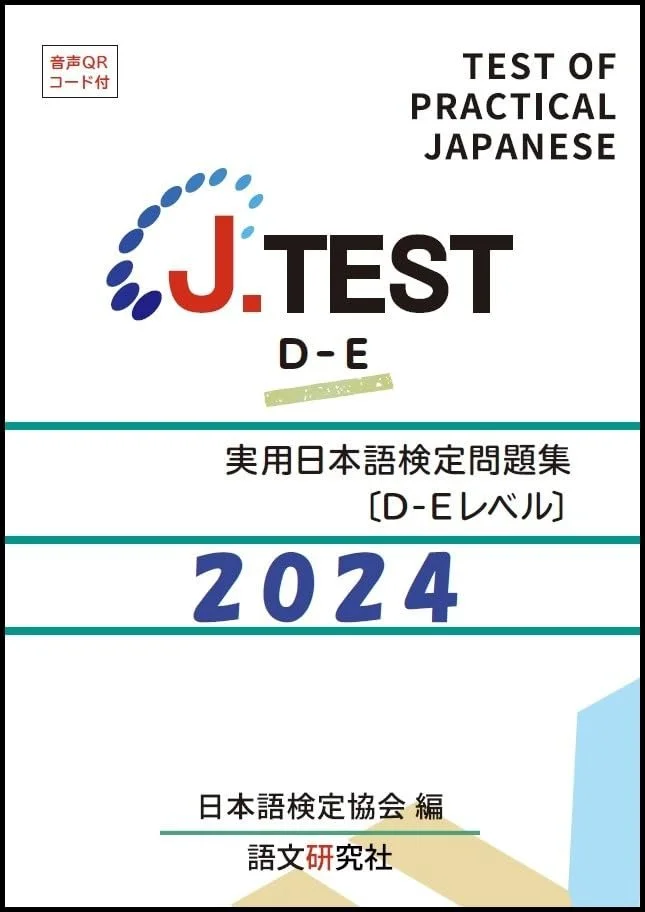
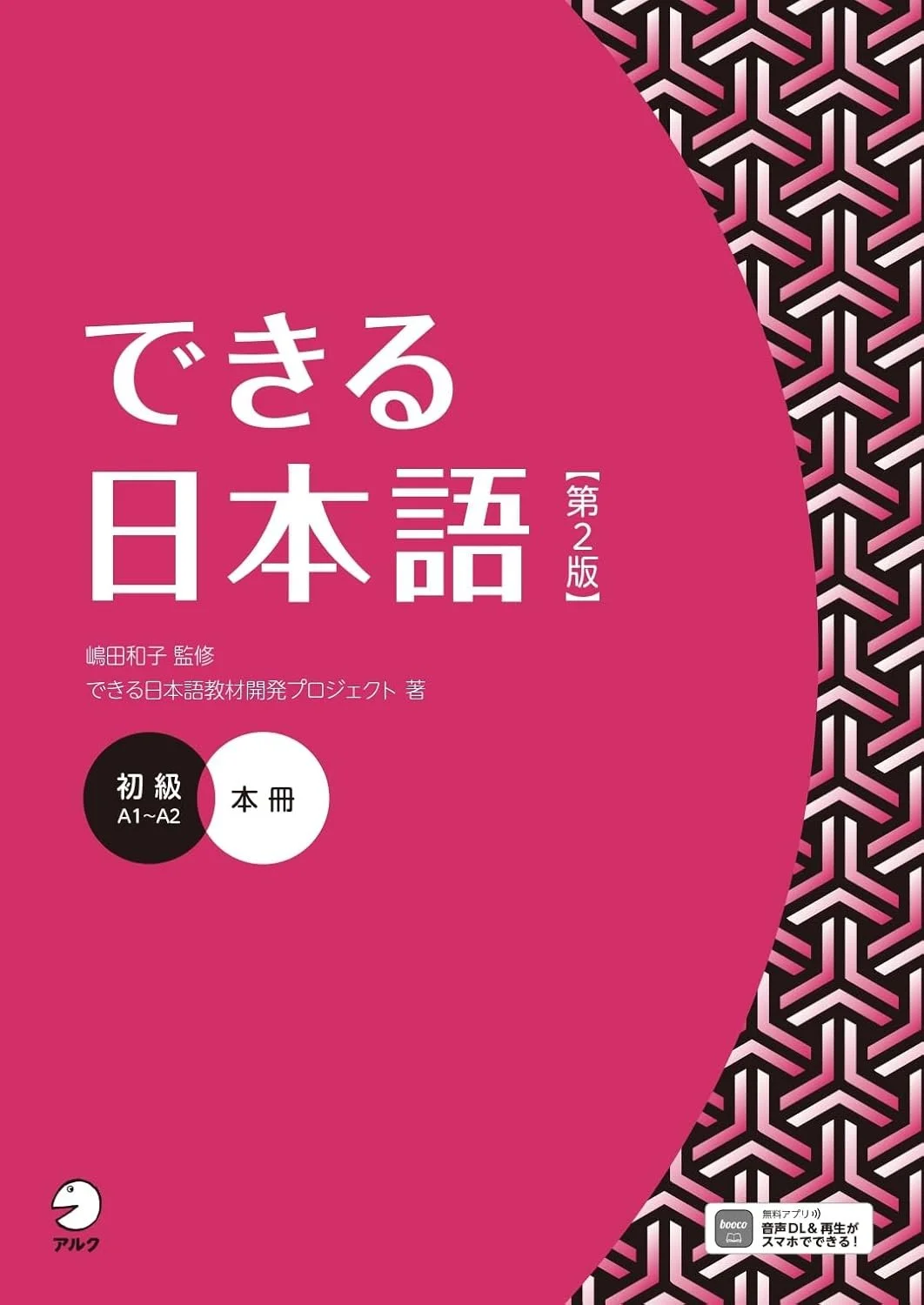
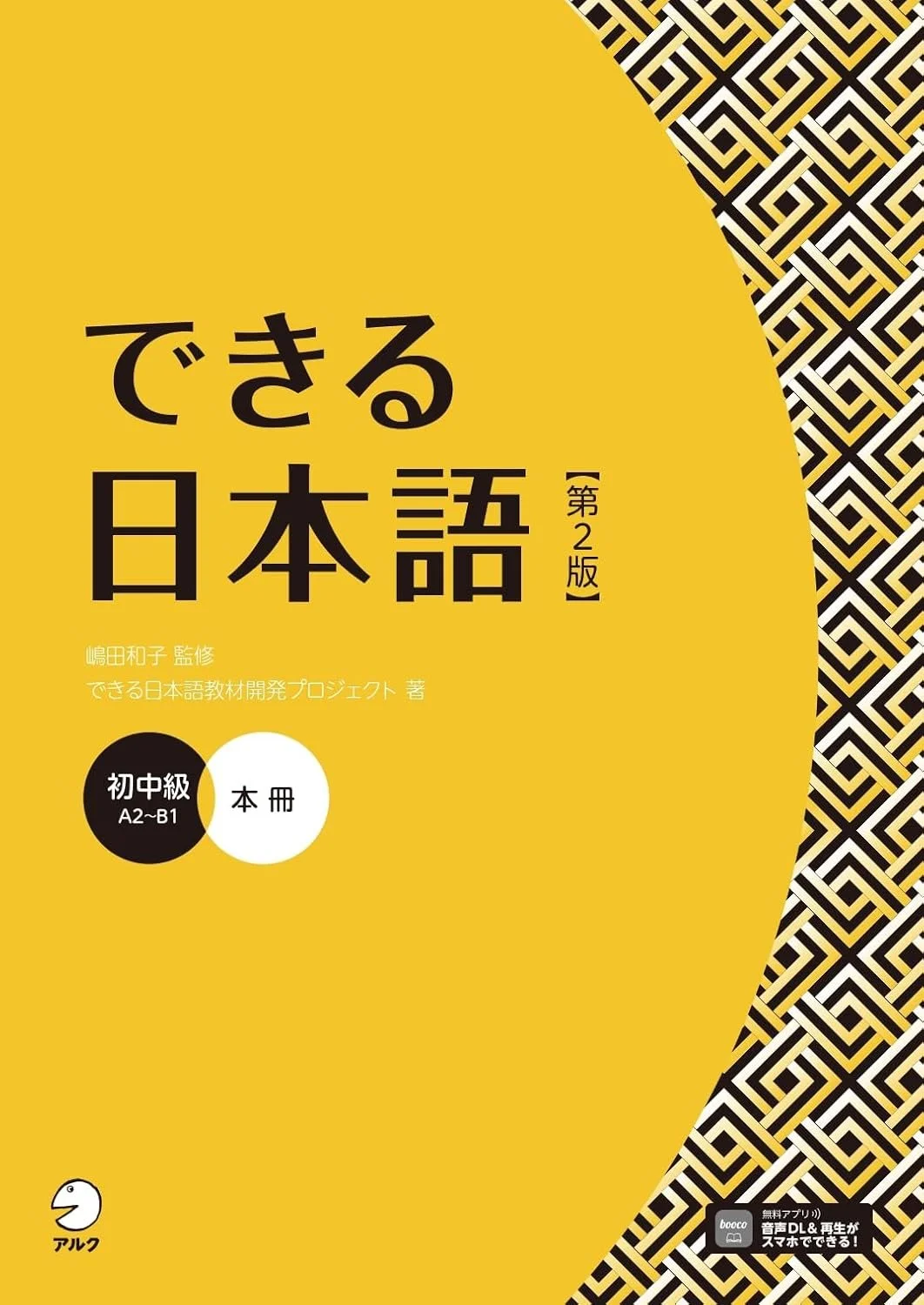
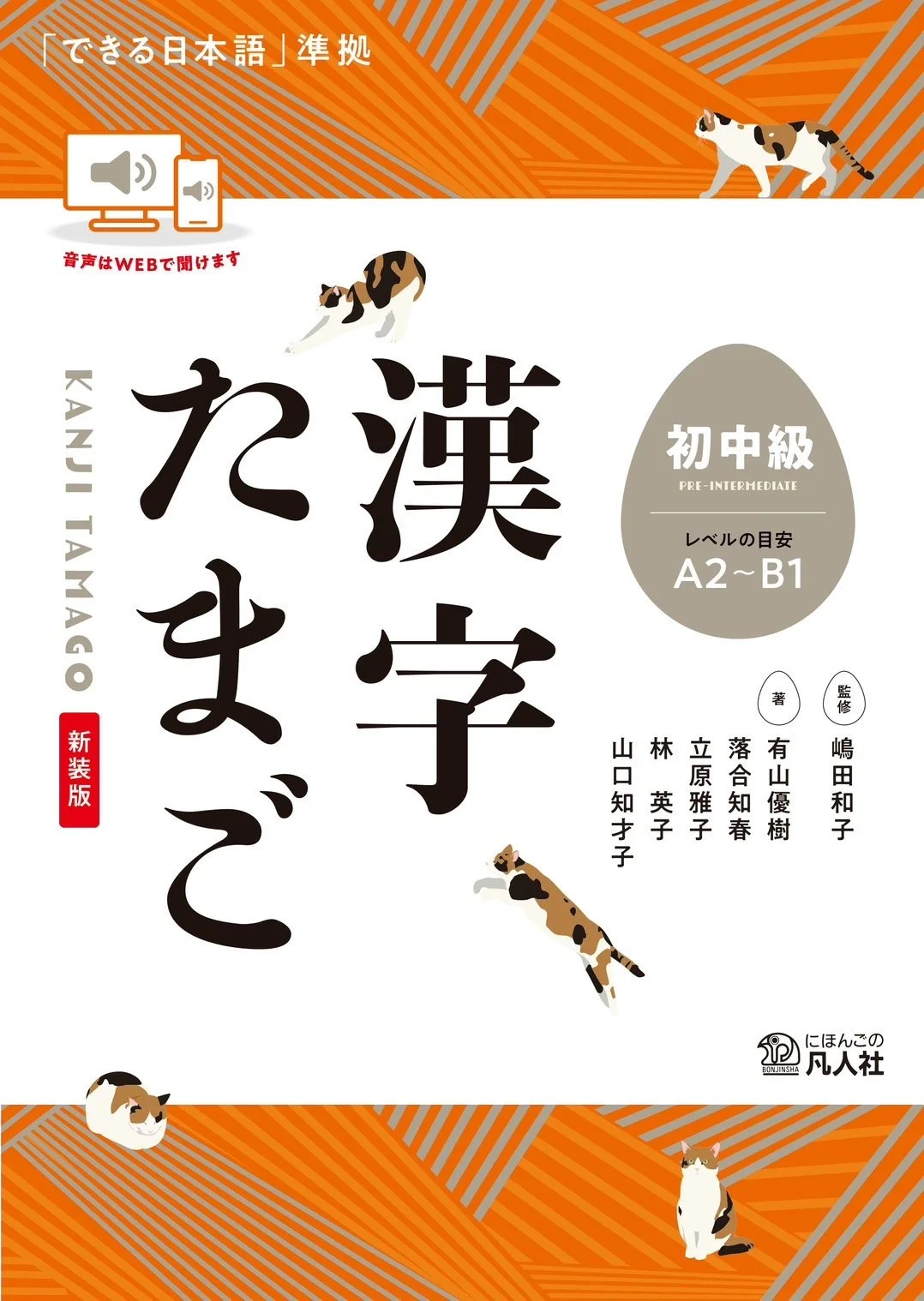
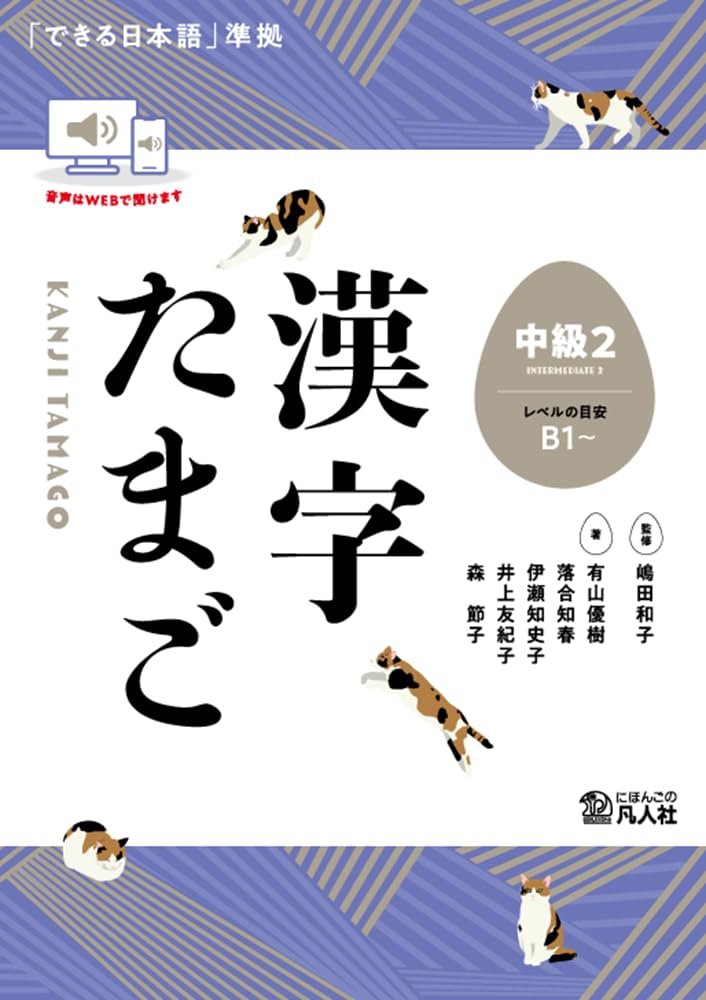
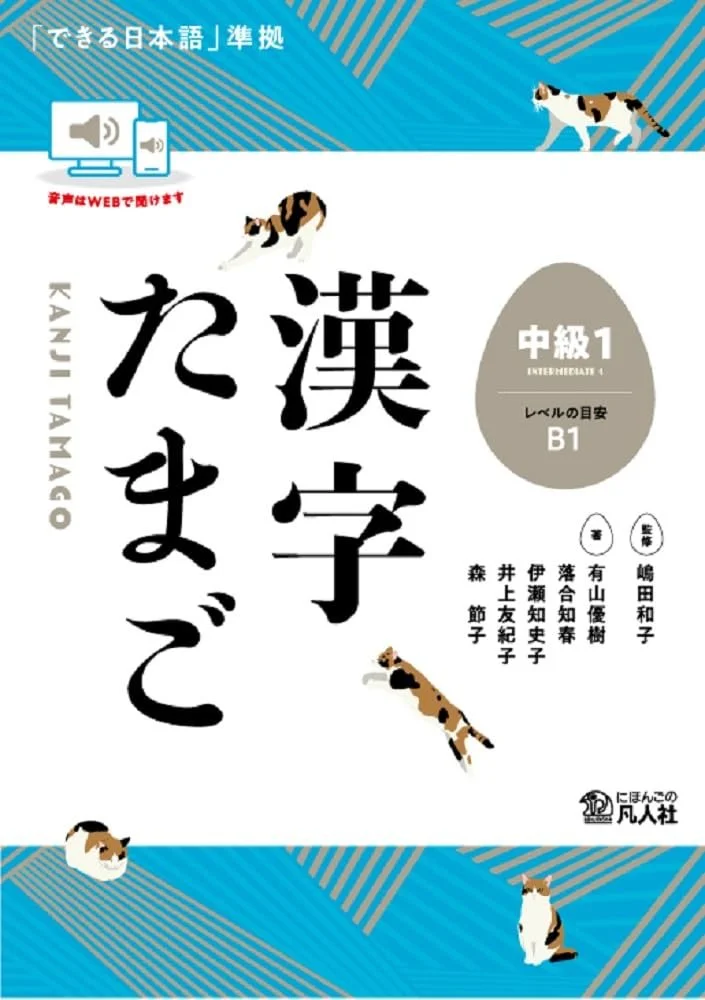
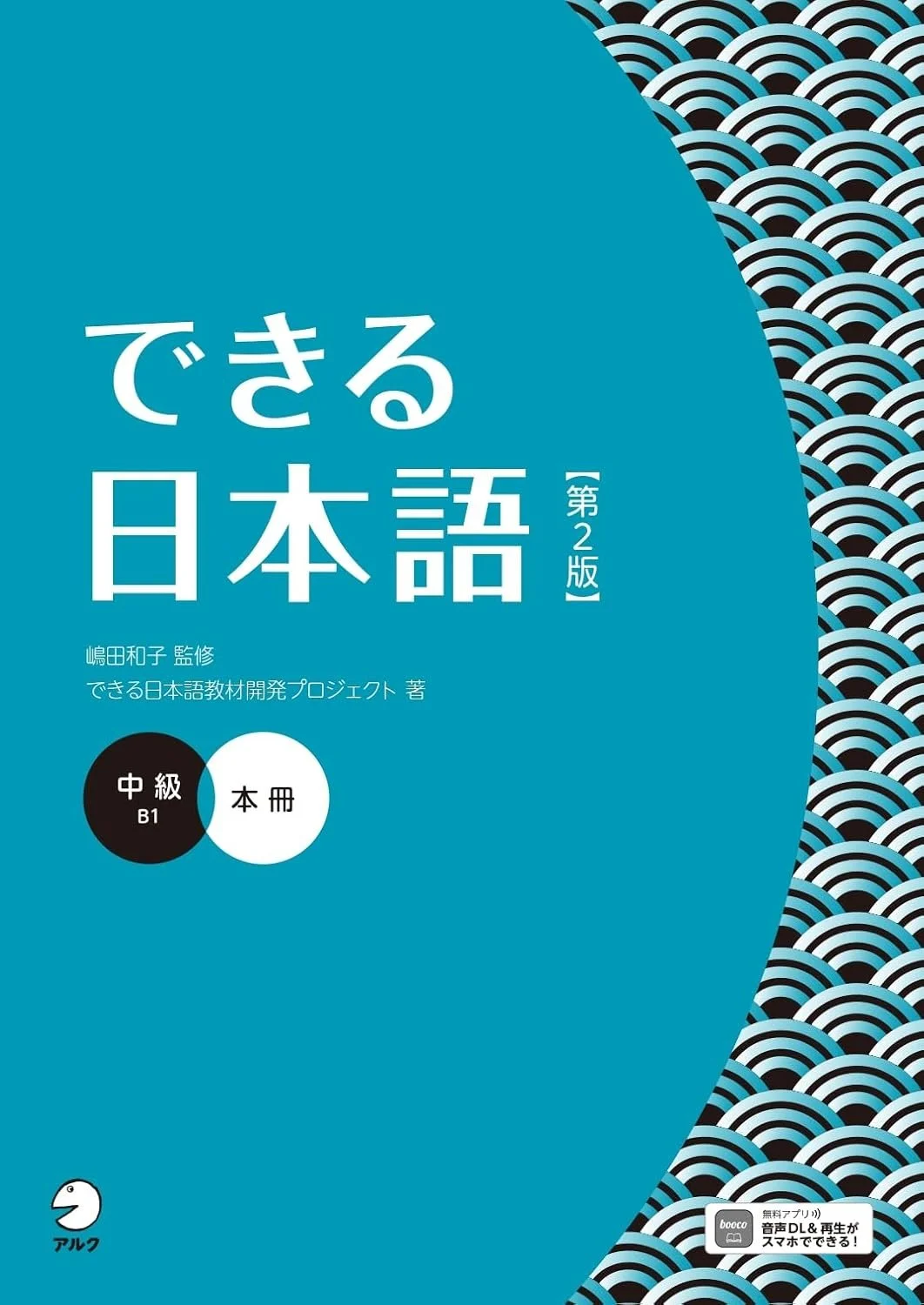
Main Textbooks Used

Other Textbooks Used